What Is a Shear Baler and How Does It Work in Scrap Metal Recycling
26 June, 2026


Scrap metal recycling has become an essential part of modern industrial manufacturing, not only for environmental sustainability but also for improving production efficiency and operational cost control. Among all the equipment used in metal recycling, the metal briquetter has emerged as one of the most valuable investments for facilities dealing with metal chips, shavings, swarf, and machining residues. By compressing loose metal waste into dense, manageable briquettes, briquetters significantly reduce waste volume and enhance the total value of recovered materials.
Below is a comprehensive, in-depth look at the benefits of using a metal briquetter in scrap metal recycling, explaining why more companies are adopting this technology across machine shops, metal fabricating plants, CNC workshops, and metal processing facilities.
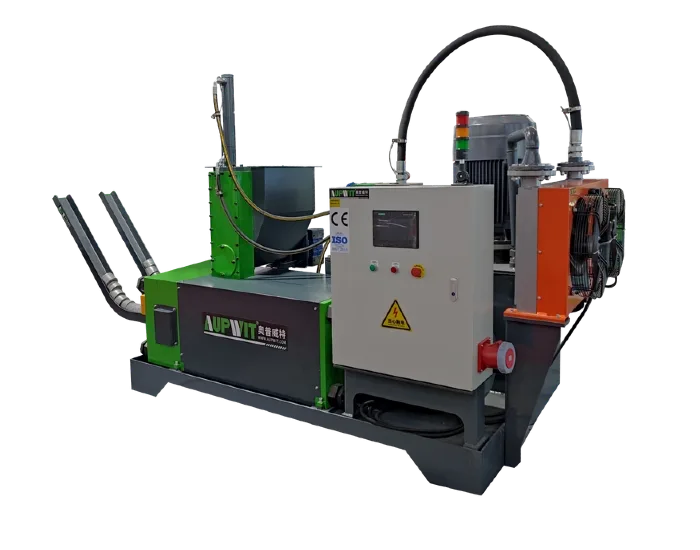
A metal briquetter is a machine designed to compress loose metal chips, swarf, and dust into solid briquettes. Through high-pressure compaction, the briquetter turns lightweight, bulky scrap into dense, uniform blocks that are easier to handle, store, transport, and recycle.
Unlike traditional scrap handling methods—where metal waste often ends up in drums, hoppers, or bins—a briquetter transforms waste into high-value material with minimal manual intervention. It is especially used for materials such as aluminum, steel, cast iron, copper, brass, and various alloys.
One of the greatest advantages of using a metal briquetter is its ability to reduce scrap volume by up to 90%. Loose metal chips are lightweight and occupy large amounts of space, which leads to:
High storage costs
Frequent transportation
Inefficient scrap management workflows
By converting this loose material into compact briquettes, companies reduce the frequency of scrap pickups, save space on the shop floor, and streamline their recycling logistics. This translates directly into operational cost savings and improved facility efficiency.
During machining operations, metal chips are often soaked with coolants, oils, and cutting fluids. These fluids are expensive consumables, and traditional scrap disposal methods allow most of them to be lost.
A metal briquetter separates and recovers these fluids during the compression process. The pressure applied to the scrap squeezes out oils and coolants, allowing companies to:
Reuse the collected fluids
Reduce fluid purchasing costs
Minimize environmental waste
Lower coolant disposal fees
In many cases, manufacturers can recover up to 98% of the fluids trapped in machining chips, providing both financial and environmental benefits.
Recyclers pay more for dense, clean, and uniform scrap. Loose chips are usually considered lower-value material because they contain contaminants, moisture, or residual fluids.
Briquetted metal, however, offers:
Higher melting efficiency
Less oxidation
Fewer impurities
More predictable material density
Because of these advantages, briquettes typically fetch a higher market price compared to unprocessed chips. For metals like aluminum or copper, the difference in price can be significant, enabling companies to generate more revenue from their scrap stream.
Loose metal chips can be hazardous in an industrial environment. They may cause:
Workplace injuries
Slippery floors
Fire risks
Machine contamination
Using a metal briquetter ensures that scrap is densified and contained, improving workplace safety and cleanliness. It also makes the recycling workflow more organized, helping companies comply with environmental and occupational safety regulations.
Transportation is one of the major expenses in scrap recycling logistics. Because loose scrap has a low density, it requires more frequent trips and larger containers.
Briquetted scrap is dense and easy to handle, which reduces:
Transport frequency
Truckload volume
Fuel consumption
Labor associated with scrap management
Companies often notice a substantial decrease in logistics costs after installing a briquetter.
For foundries and metal melting operations, the benefits of briquetted scrap extend far beyond simple handling. Briquettes are preferred by melting facilities because:
They reduce oxidation losses
They melt more efficiently than loose chips
They generate less dust and combustion residue
They provide consistent material density during feeding
This results in higher metal yield and lower furnace operating costs, improving the overall economics of melting processes.
Environmental regulations continue to tighten, especially regarding waste fluid disposal, air quality, and metal recycling practices. A metal briquetter helps companies comply with these regulations by:
Minimizing metal fines and airborne dust
Reducing coolant disposal requirements
Lowering the amount of waste sent to landfills
Supporting circular manufacturing
The machine essentially transforms waste into valuable, recyclable material, aligning operations with sustainability goals and ISO environmental standards.
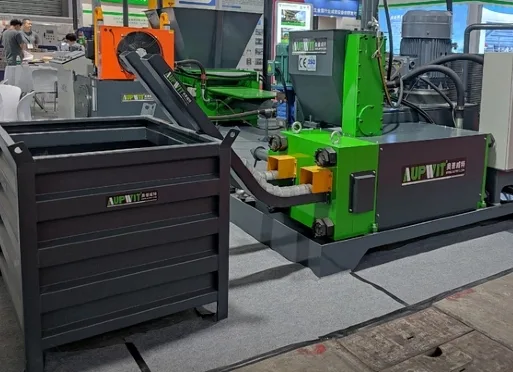
Investing in a metal briquetter provides long-lasting financial returns. The machine pays for itself through:
Reduced transportation costs
Higher scrap sales revenue
Recovered coolants and oils
Improved furnace yield
Lwer labor requirements
For manufacturing companies with continuous metal machining or fabrication processes, a briquetter becomes an essential part of their waste management system, optimizing overall productivity.
Metal briquetters are used across many sectors, including:
CNC machining centers
Automotive parts manufacturing
Aerospace machining
Metal fabrication plants
Steel and aluminum foundries
Energy equipment manufacturing
Tool and die workshops
Any business that generates metal chips or metallic by-products can benefit from briquetting technology.
The benefits of using a metal briquetter extend far beyond basic scrap management. From cost savings and fluid recovery to improved environmental performance and higher material value, the machine transforms how companies handle their metallic waste.
By compressing loose metal chips into dense briquettes, businesses can create a cleaner, safer, and more efficient production environment while maximizing the financial return from their scrap materials.
For companies aiming to modernize their recycling workflow, reduce costs, and increase profitability, investing in a metal briquetter is one of the smartest and most impactful decisions they can make.