What Is a Shear Baler and How Does It Work in Scrap Metal Recycling
26 June, 2026


In the competitive world of metal recycling, the difference between a profitable yard and one that struggles often comes down to how they handle logistics and material density. Loose scrap—whether it’s aluminum profiles, steel shavings, or copper wiring—is notoriously difficult to transport and store.
This is where a high-quality scrap metal baler becomes the backbone of your operation. By transforming bulky waste into dense, manageable cubes, you not only save space but significantly increase the market value of your materials.
AUPWIT offers several configurations of the Y81 series scrap metal baler, each designed to fit different workflow requirements. Choosing the right “discharge” method is the first step in optimizing your yard:
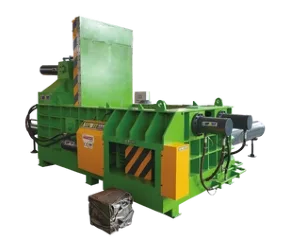
Turn-out Baler (Y81F Series): One of the most popular choices, where the finished bale is flipped out of the chamber. It is ideal for smaller to medium operations where manual or forklift clearing is common.
Push-out and Forward-out (Y81T/Q Series): These machines push the bale out either to the side or the front. They are perfect for integration into automated conveyor systems, allowing for a continuous flow of material without manual intervention.
Triple-acting Balers: For heavy-duty requirements, these provide the highest compaction force from three sides, ensuring the maximum possible density for high-value metals like stainless steel.
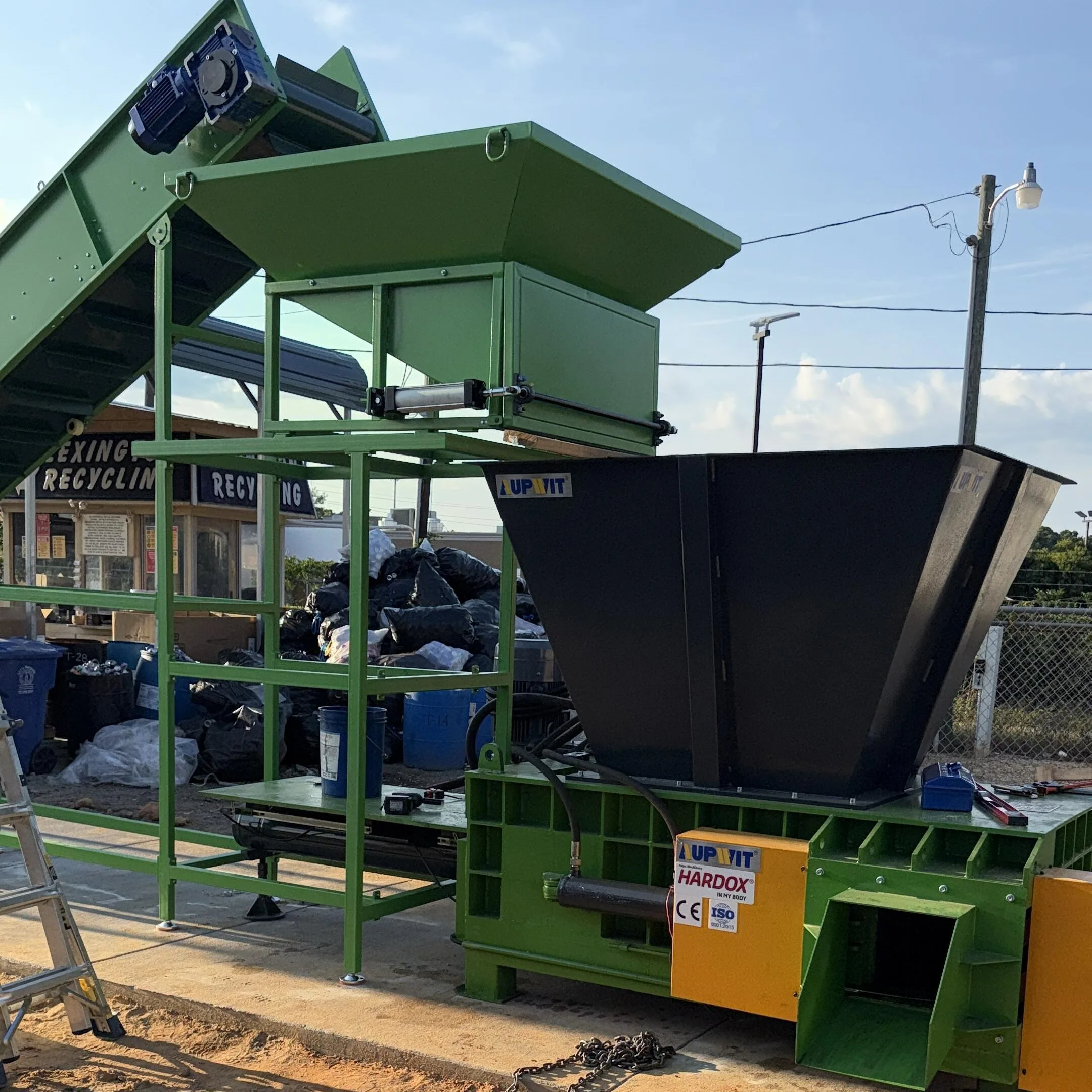
For high-volume recycling centers, the Hopper Style Automatic Scrap Metal Baler is a game-changer. Unlike traditional models that require a cycle to finish before reloading, hopper-equipped machines allow for continuous feeding.
While the machine is compressing one bale, you can keep loading the hopper. This reduces downtime and allows a single operator to process significantly more tonnage per shift compared to standard manual-load machines.
A professional scrap metal baler must be adaptable to its surroundings. Based on your location’s infrastructure, you can choose between two primary power sources:
Electric Motor: Best for indoor facilities with stable power grids, offering quiet and energy-efficient operation.
Diesel Engine: A must-have for remote scrap yards or outdoor demolition sites where electricity is unavailable.
Furthermore, the integration of PLC (Programmable Logic Controller) systems allows for one-button operation. This automation ensures consistent bale sizes and allows for remote diagnostics, meaning less time spent on troubleshooting and more time on production.
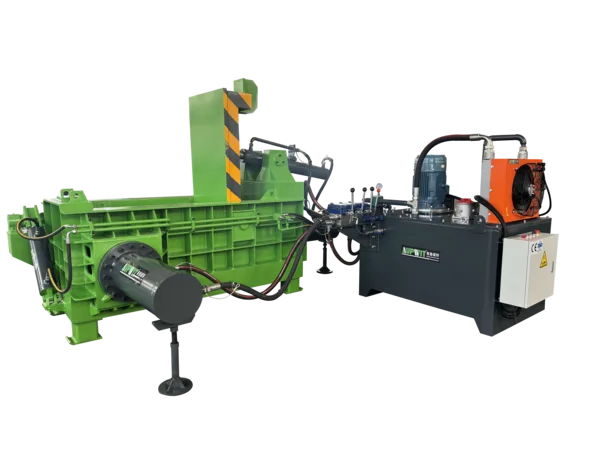
Steel mills and smelters prefer “furnace-ready” scrap. A high-density bale produced by a specialized scrap metal baler is easier to melt and results in less oxidation loss.
More importantly, consider the logistics. Transporting loose aluminum cans is mostly “shipping air.” By using a baler with a press force ranging from 125T to over 1000T, you can maximize your truck’s weight capacity. If you can fit three times more metal on a single trailer, you are effectively cutting your shipping costs by 66%.
Choosing a scrap metal baler is about more than just pressure; it’s about durability. Machines equipped with wear-resistant liner plates and high-quality hydraulic seals (like those found in the AUPWIT Y81 series) ensure that your investment lasts for decades, not just years.
By matching the right discharge style and power system to your specific material—be it UBC, steel scrap, or copper—you turn a waste-handling problem into a streamlined profit center.