What Is a Shear Baler and How Does It Work in Scrap Metal Recycling
26 June, 2026


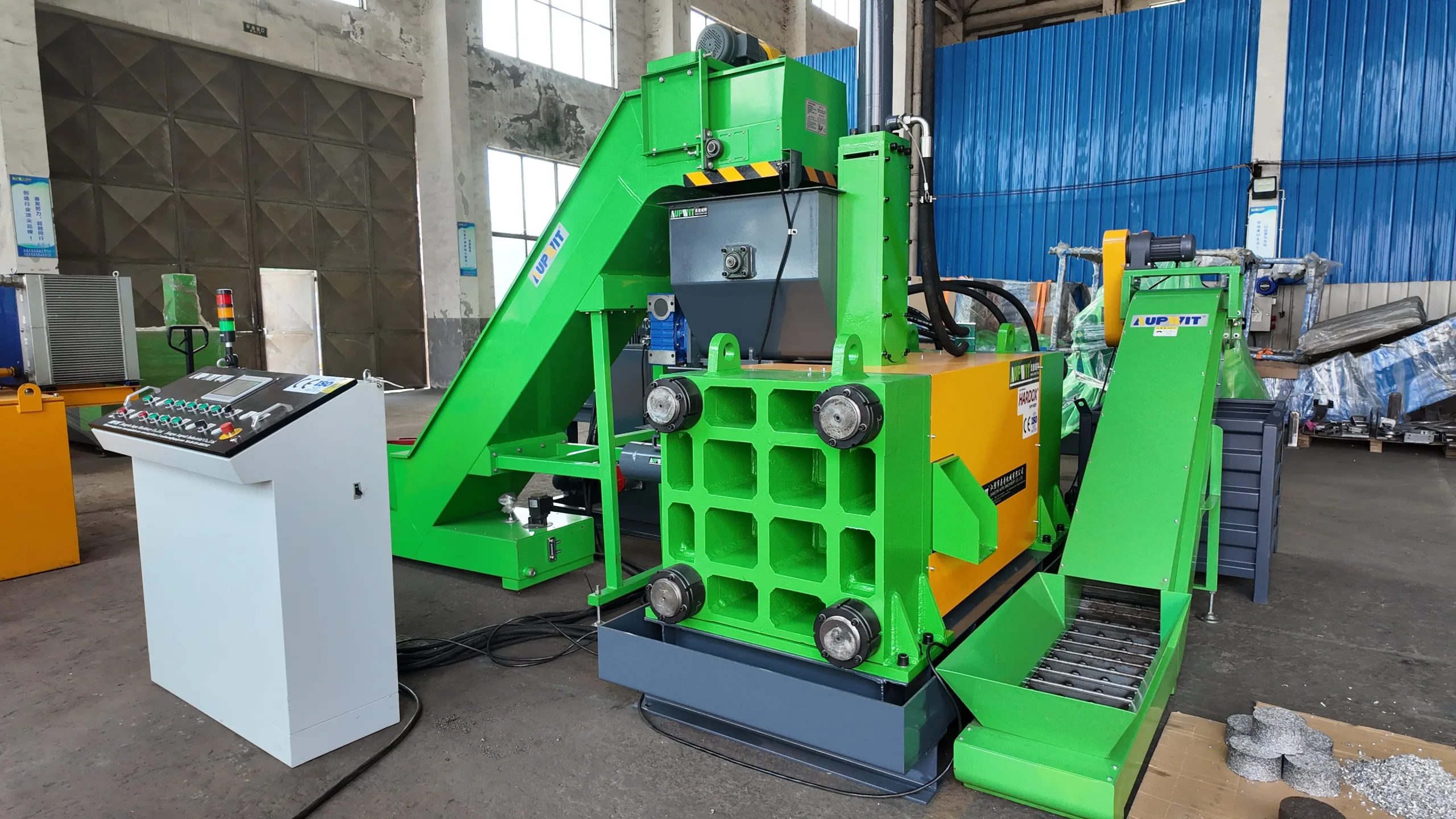
The briquetting machine production line has successfully completed its trial run and is now ready for shipment to Mexico. This delivery marks another milestone in the growing global demand for efficient and eco-friendly recycling equipment. The customer, a large-scale recycling station in Mexico, will use this advanced production line to recycle various types of metal shavings — contributing to the circular economy and resource recovery within the region.
Modern industries are increasingly seeking solutions that not only optimize material utilization but also reduce waste and environmental impact. Briquetting machines have emerged as an essential part of this sustainable industrial transformation.
A briquetting machine is a type of equipment that compresses metal chips, shavings, and other loose materials into dense briquettes. These compacted forms are easier to handle, store, transport, and recycle. By applying high pressure through mechanical or hydraulic means, the machine converts loose waste into a manageable form without the need for binders or additives.
The resulting briquettes are characterized by high density, uniform shape, and reduced oxidation, allowing for more efficient remelting and material recovery. This technology not only maximizes the recycling value of waste materials but also helps reduce energy consumption in subsequent processing steps.
The applications of briquetting machines extend across a wide range of sectors. Wherever metal cutting, machining, or shaping occurs, briquetting technology plays a crucial role in waste management and resource recovery.
In the automotive manufacturing process, large quantities of aluminum, steel, and iron chips are produced during parts machining. Traditionally, these metal shavings occupy significant storage space and can pose safety and environmental challenges. Briquetting machines allow automotive factories to compress these shavings into solid briquettes, which can be efficiently recycled back into production. This not only helps reduce waste management costs but also promotes sustainable manufacturing practices.
The aviation sector frequently works with high-value metals such as titanium, aluminum alloys, and stainless steel. Even small quantities of scrap in this industry represent substantial material value. By using briquetting machines, aerospace manufacturers can recover these precious materials in compact briquette form, maintaining their purity and value during remelting. This contributes to lower material costs and improved environmental responsibility within a highly technical and precision-driven field.
Workshops and factories engaged in metal cutting, turning, milling, and drilling operations constantly generate metal chips. Briquetting provides an effective way to handle these residues. By compressing metal shavings into briquettes, companies can reduce waste volume by up to 90%, simplify logistics, and achieve better storage management. Moreover, the extracted cutting fluids can be reused, improving overall operational efficiency.
In foundries and metal processing plants, briquetting machines help reclaim valuable metallic residues from machining and melting operations. These compacted materials are easier to feed into furnaces, reducing melting time and energy consumption. The use of briquetting systems thus improves the overall metal recovery rate while supporting sustainable production cycles.
Briquetting machines play a key role in advancing circular economy principles. By converting industrial waste into reusable resources, they promote closed-loop recycling systems where materials are continuously reintroduced into the production cycle.
This not only minimizes waste disposal needs but also reduces reliance on raw material extraction. The economic advantages are equally significant — industries that implement briquetting systems can achieve lower production costs, better space utilization, and enhanced environmental compliance.
For the Mexican recycling station receiving this latest production line, the installation signifies more than just an equipment upgrade — it represents a commitment to sustainable, efficient, and responsible industrial development.Enhancing
Beyond their recycling benefits, briquetting machines also contribute to improving workplace efficiency and environmental performance. The compact nature of briquettes reduces the frequency of waste handling and transportation, leading to lower fuel consumption and carbon emissions.
Additionally, many modern briquetting systems are equipped with advanced automation and control technologies that simplify operation and ensure consistent output quality. These systems often include integrated oil recovery features, allowing factories to reclaim and reuse valuable cutting fluids, further enhancing sustainability.
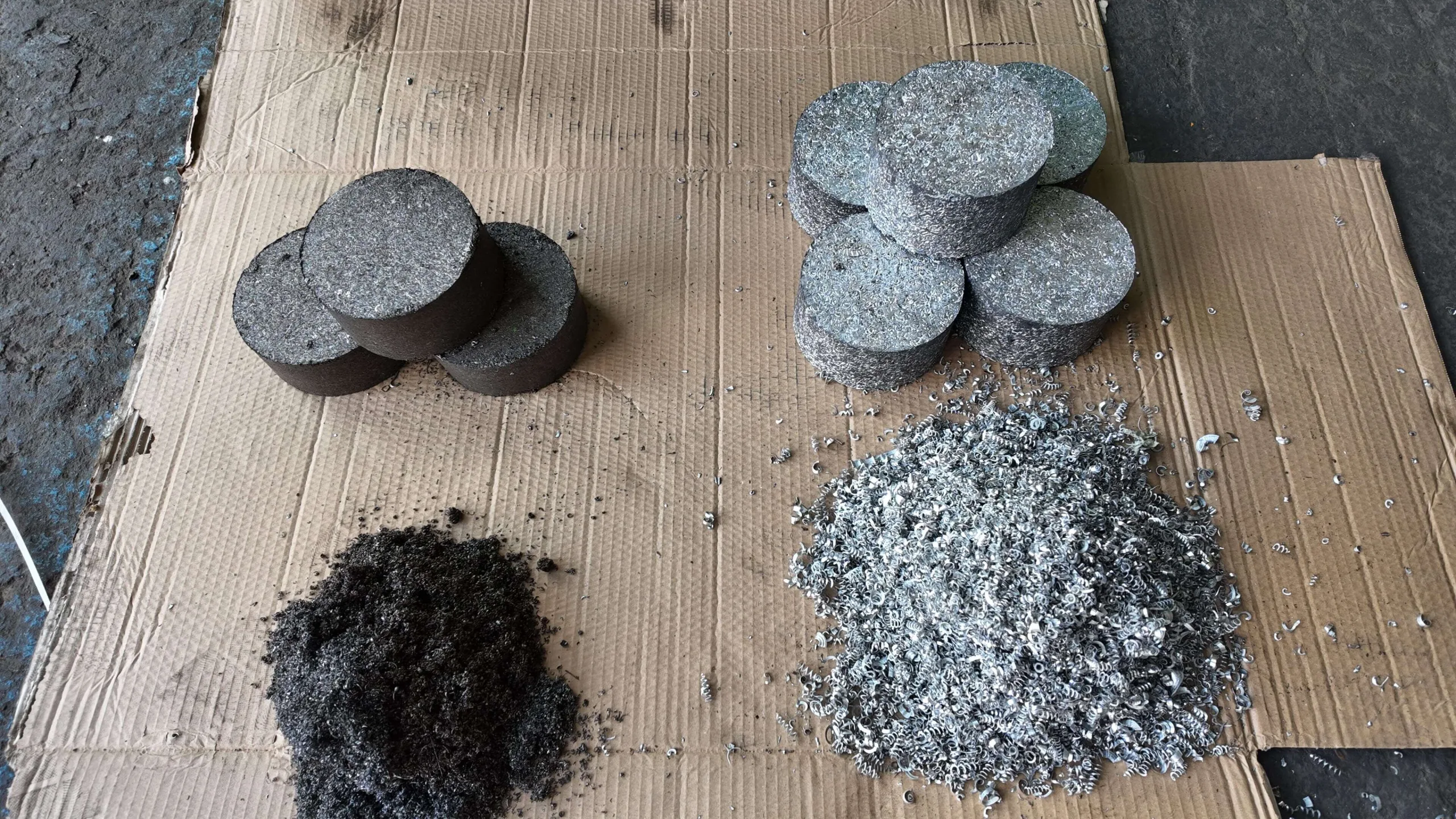
With this shipment to Mexico, briquetting technology continues to expand its global footprint. Manufacturers around the world — from Europe to Asia to Latin America — are recognizing the advantages of incorporating briquetting systems into their production lines.
As environmental standards tighten and recycling efficiency becomes a core metric of industrial performance, briquetting machines are increasingly seen not as optional equipment, but as strategic assets that align productivity with environmental responsibility.
The shipment of the briquetting machine production line to Mexico symbolizes more than the delivery of a piece of machinery — it reflects the growing commitment of industries worldwide to resource conservation and green manufacturing.
Whether in automotive, aviation, machine tool, or general metalworking industries, briquetting machines offer an intelligent solution to transform waste into value. By enabling a more efficient recycling process, they help businesses close the loop between production and reuse, driving both economic and environmental gains.
As the global demand for sustainable industrial technologies continues to rise, the adoption of briquetting systems will undoubtedly play a pivotal role in shaping a cleaner, more resource-efficient future.