What Is a Shear Baler and How Does It Work in Scrap Metal Recycling
26 June, 2026


Efficient logistics often determines profitability in scrap recycling more than processing capacity itself. Scrap yards, metal collectors, and recycling plants handle large volumes of irregular, bulky, and loosely piled metal every day. Without proper compaction, these materials occupy excessive space, increase transportation frequency, and raise operational costs throughout the recycling chain.
A scrap metal baler quickly becomes one of the most valuable machines in a recycling facility. Compressing loose scrap into dense, uniform bales changes how metal is stored, handled, and transported. The effect appears not only in yard organization, but also in freight efficiency, labor savings, and overall supply chain performance.
Loose scrap metal creates multiple operational problems:
Irregular shapes prevent efficient stacking
Large air gaps reduce storage density
Extra labor and equipment time are required for handling
Transport vehicles carry more empty space than metal
Loading and unloading operations take longer
Aluminum profiles, steel sheets, car body parts, wires, and light-gauge scrap easily form unstable piles. Even with forklifts and cranes, managing these piles safely and efficiently remains difficult. Hidden costs from inefficiency gradually accumulate through fuel use, labor hours, and wasted storage space.
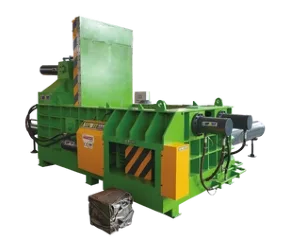
A scrap metal baler immediately increases storage density. After compression, scrap volume shrinks dramatically. Uniform bales can be stacked neatly, allowing yards to use vertical space instead of spreading materials across large ground areas. This advantage becomes especially important where industrial land is expensive.
Storage areas stay organized and manageable
Inventory becomes easier to classify by material type
Safety risks from unstable piles decrease
More scrap fits into the same yard footprint
Organized yards also allow faster material identification and retrieval, improving daily workflow.
Transportation represents one of the largest costs in scrap recycling. Trucks and containers have strict volume and weight limits. Loose scrap often fills container space before reaching weight capacity, meaning vehicles transport air instead of valuable material.
Dense bales solve this issue. Compact shapes allow trucks and containers to approach their maximum weight limits without wasting space. Fewer trips are required to move the same amount of scrap metal.
Reduced transportation frequency
Lower fuel consumption
Lower freight cost per ton
Improved compliance with shipping limits
Savings from transportation efficiency alone can justify the investment in a baler over time.
Faster Loading and Unloading Operations
Handling loose scrap consumes time and effort. Operators frequently reposition material and adjust loads to ensure safe placement in trucks or containers.
Uniform bales simplify this process. Forklifts or cranes can grip, lift, and position bales quickly due to their consistent shape. Truck turnaround time becomes shorter, labor intensity decreases, and equipment wear reduces. Higher daily throughput becomes possible without increasing manpower.
Scrap yards usually handle multiple categories of metal, such as steel, aluminum, copper, stainless steel, and mixed scrap. Loose storage makes separation and inventory tracking difficult.
Baling allows each material type to be compressed into clearly identified units. This improves:
Inventory tracking accuracy
Material classification
Order preparation efficiency
Quality control before shipment
Buyers also prefer baled scrap because counting, inspecting, and processing become easier upon arrival.
Loose scrap piles introduce safety hazards. Sharp edges, unstable stacks, and cluttered pathways increase accident risks for workers and equipment operators.
Baled scrap contributes to a cleaner, safer environment:
Stable stacking reduces collapse risks
Clear pathways improve vehicle movement
Reduced manual handling lowers injury risk
Neat layout improves operational visibility
Better safety conditions often lead to fewer incidents and reduced operational interruptions.
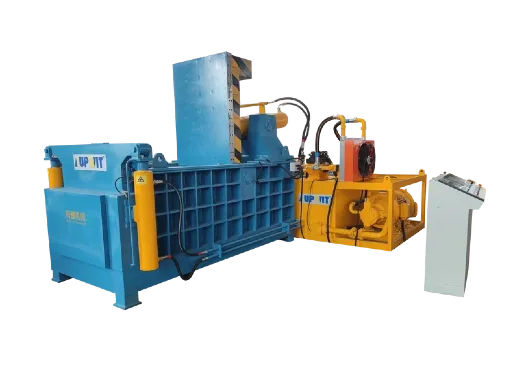
Modern recycling plants increasingly rely on automated or semi-automated processing lines. Feeding loose scrap into shredders or furnaces requires extra preparation and sorting time.
Baled scrap provides a more consistent and predictable input for these systems. Processing lines operate more smoothly with fewer interruptions caused by irregular material flow.
Fewer transportation trips reduce not only costs but also carbon emissions. Efficient logistics supports environmentally responsible recycling practices.
Additional long-term benefits include:
Reduced fuel usage
Less equipment operating time
Lower land requirements for storage
Better overall resource utilization
These advantages contribute to both sustainability goals and financial performance.
Efficient storage and transportation remain constant challenges in scrap metal recycling. Loose scrap consumes space, wastes transport capacity, and complicates daily operations. Converting irregular metal waste into dense, uniform bales transforms how recycling facilities manage materials.
Organized yards, faster handling, reduced freight costs, safer workplaces, and smoother processing integration all result from proper baling. A scrap metal baler serves not only as a compression machine but as a critical tool for improving logistics efficiency across the entire recycling workflow.