What Is a Shear Baler and How Does It Work in Scrap Metal Recycling
26 June, 2026


In the scrap metal recycling industry, efficient material handling directly affects productivity, operating costs, and overall profitability. A scrap metal baler is one of the most important machines used to process and prepare metal waste for transportation and downstream recycling.
Since our products are mainly used in scrap metal processing, understanding how a baler works and why it is essential can help customers choose the right machine for their operations.
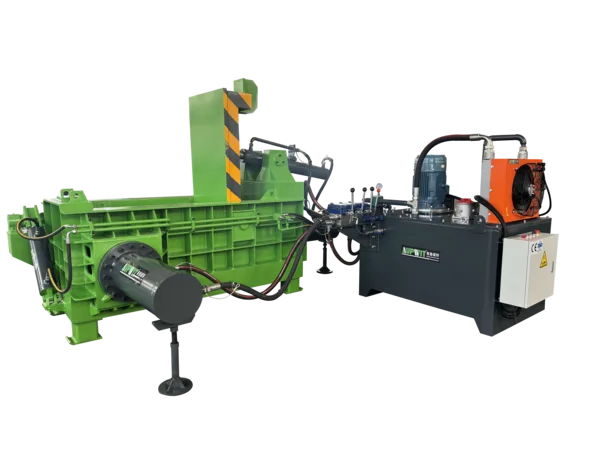
A scrap metal baler is a hydraulic machine that compresses loose metal into dense, uniform blocks. These bales are easier to store, move, and feed into shredders or melting furnaces. Materials commonly processed include:
Steel offcuts
Aluminum scrap
Copper wires and tubes
Stainless steel
Vehicle sheet metal
Industrial machining waste
For scrap processors, baling is a crucial step that turns loose, irregular scrap into a valuable, ready-to-sell product.
Greatly Improves Logistics Efficiency
Loose scrap takes up excessive space and is difficult to stack. After compression, bales become compact and stable, allowing processors to load more material per truck, reducing transportation costs.
Enhances the Value of Scrap
Buyers prefer dense, clean bales because they melt faster and more evenly. Uniform density improves furnace efficiency and reduces energy consumption—making baled scrap more valuable.
Creates a Safer and Cleaner Working Environment
Uncompressed scrap is sharp and unstable. Baling reduces safety hazards and helps maintain a clean, organized yard.
1. Loading Scrap Into the Chamber
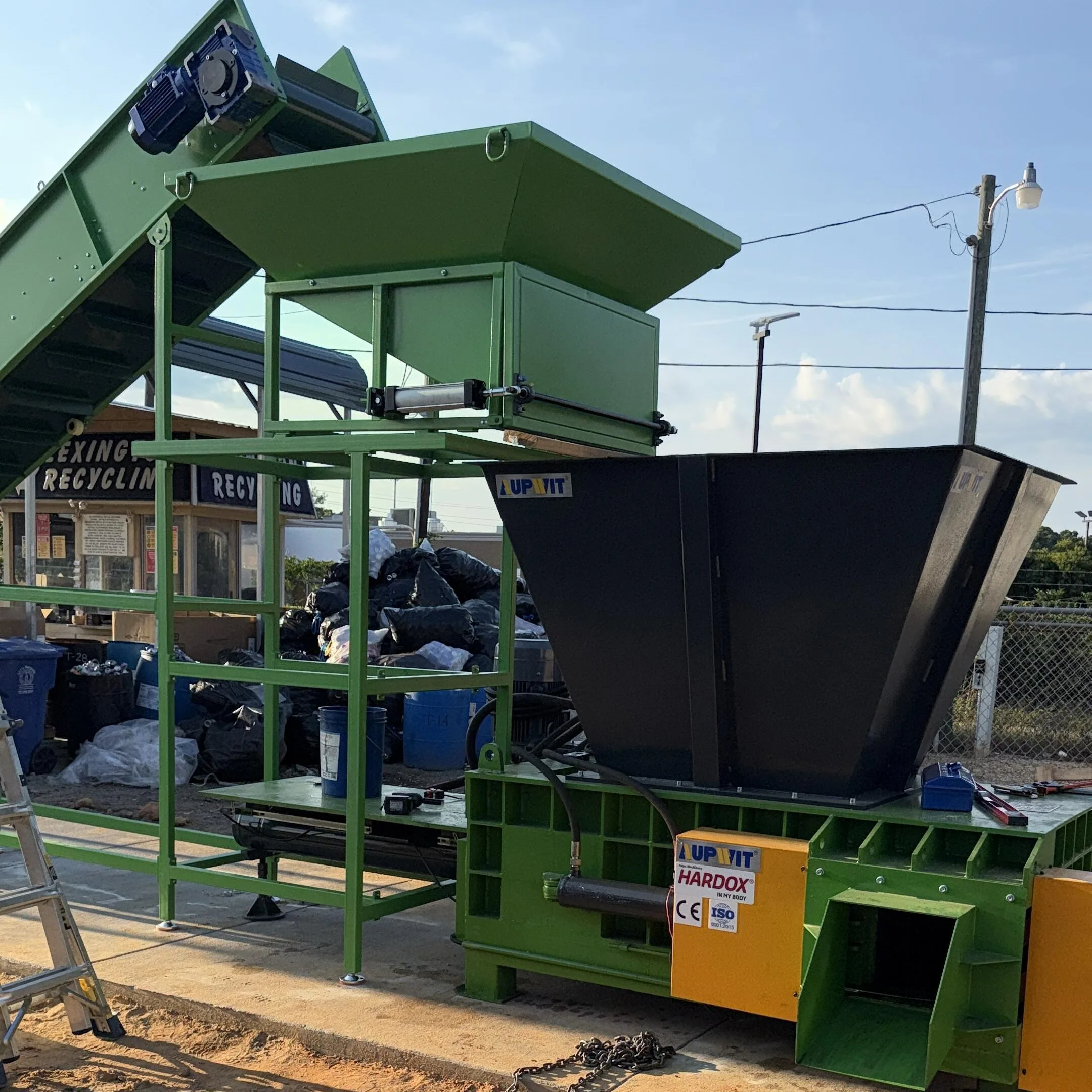
Scrap is loaded into the compression chamber manually or with equipment such as cranes, grabs, or conveyors—common in metal recycling yards.
2. Hydraulic Compression
The machine uses high-pressure hydraulic cylinders to crush and compact the scrap. Compression forces range from tens to hundreds of tons depending on the machine model and scrap type.
3. Forming the Bale
Hydraulic pressure compresses the metal into a solid, uniform block. Bale density and size depend on the chamber structure and scrap characteristics.
4.Bale Ejection
After compression, the baler automatically ejects the compact block. It can then be stacked, weighed, or directly loaded for transport.
Since our products focus on scrap metal processing, balers are widely applied in:
Scrap recycling yards
Metal recovery facilities
Industrial metal processing lines
Automotive dismantling and recycling centers
Steel mills and foundries
Demolition and construction waste handling
Whether dealing with light scrap, mixed industrial waste, or large metal pieces, a baler helps consolidate material efficiently.
Higher Space Utilization
A baler can reduce scrap volume by up to 80%, freeing up yard space and improving workflow.
Reduced Transportation Costs
Compact, heavy bales maximize truck loading capacity and reduce transportation frequency.
Faster Processing and Sorting
Baled scrap is easier to classify, store, and prepare for the next stage of recycling.
Higher Profit Margins
Scrap buyers usually pay more for dense, uniform bales because they improve melting efficiency.
Lower Labor Intensity
Hydraulic compression reduces the need for manual sorting and handling, improving operational safety.
Scrap Type
Steel, aluminum, and copper have different hardness and compression behavior. Choosing a baler that matches your scrap type is essential.
Daily Processing Volume
A higher throughput requires stronger compression force and faster cycle time.
Bale Density Requirements
Different buyers or processors may require specific bale sizes and densities.
Machine Durability
A robust structure, wear-resistant plates, and reliable hydraulic components ensure stable long-term operation.
Maintenance Convenience
Easy-access design, replaceable liners, and readily available spare parts help reduce downtime.
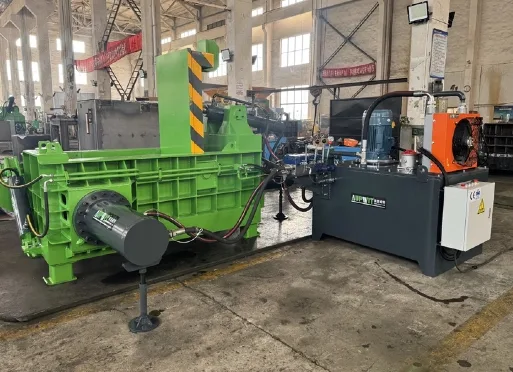
To keep balers working efficiently in heavy-duty scrap environments:
Regularly check hydraulic oil quality
Monitor cylinder seals for leakage
Lubricate all moving parts
Inspect electrical and control systems
Clean the chamber to prevent material buildup
Consistent maintenance ensures stronger compression, longer machine life, and fewer failures.
A scrap metal baler is an indispensable piece of equipment for any facility engaged in scrap metal processing. It helps reduce volume, improve logistics efficiency, enhance scrap value, and maintain a clean and safe working environment. For recyclers and metal processors, investing in a high-quality baler is a strategic step toward more efficient and profitable operations.