What Is a Shear Baler and How Does It Work in Scrap Metal Recycling
26 June, 2026


Scrap metal recycling plays a critical role in modern industrial supply chains and environmental sustainability efforts. With growing demand for steel, aluminum, copper, and other metals, recycling has become an essential source of raw material for mills and foundries worldwide. However, scrap metal is often generated in irregular shapes and sizes, making it difficult to store, transport, and process efficiently.
To overcome these challenges, recycling facilities rely on heavy-duty equipment to prepare scrap metal for downstream processing. Among the most important machines in this field is the shear baler. By combining powerful shearing and baling functions into a single system, shear balers provide an efficient and cost-effective solution for processing a wide range of scrap metal materials.
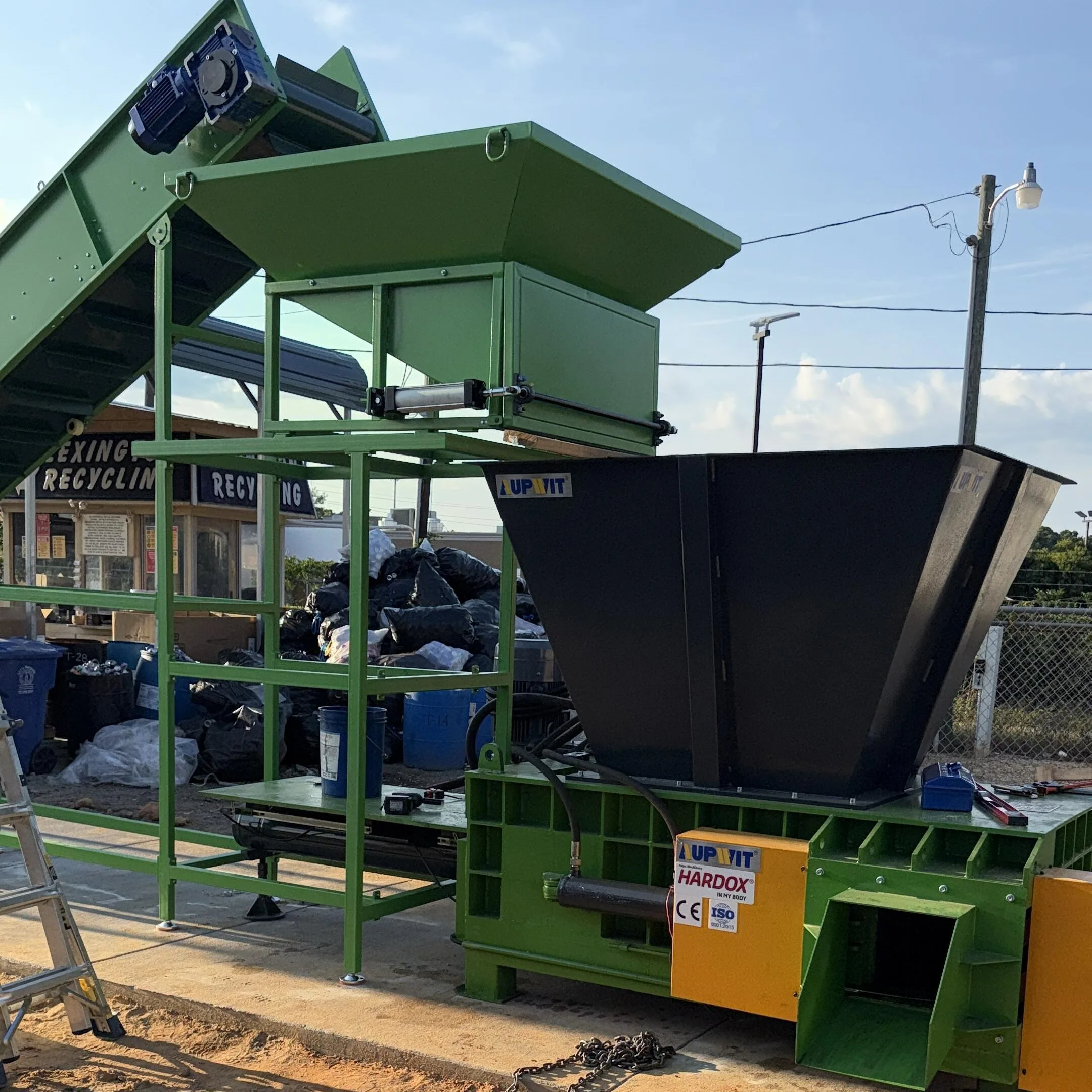
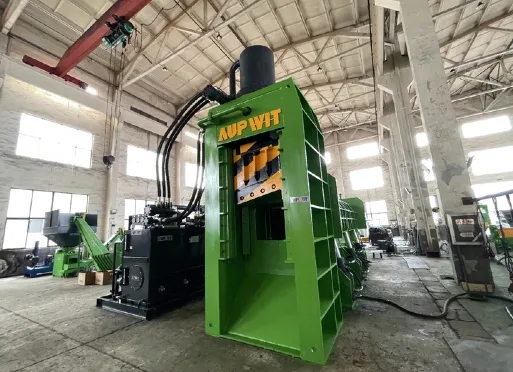
A shear baler is a multifunctional scrap metal processing machine designed to cut, compress, and bale metal scrap into dense, uniform packages. It typically integrates three main operations: feeding, shearing, and baling. The machine uses high-pressure hydraulic systems to apply tremendous force, allowing it to cut thick and bulky metal while also compressing loose material into compact bales.
Shear balers are commonly used in medium to large-scale scrap yards, metal recycling plants, and industrial dismantling operations. Depending on the configuration, they can process light scrap, heavy scrap, long structural steel, and mixed metal materials. Their versatility makes them a core asset in modern scrap processing operations.
One of the defining features of a shear baler is its ability to combine shearing and baling in a single piece of equipment. The shearing function cuts long or oversized scrap into manageable lengths, while the baling function compresses smaller or loose scrap into high-density bales.
This combination improves overall workflow by reducing the need for multiple machines. Instead of using separate guillotine shears and balers, facilities can rely on a single shear baler to handle both tasks. This not only saves floor space but also reduces capital investment and maintenance complexity.
Shear balers are widely used in commercial scrap yards where a wide variety of materials are received daily. These may include automobile body parts, steel pipes, structural beams, sheet metal, aluminum profiles, and mixed industrial scrap.
By processing incoming scrap with a shear baler, yards can quickly reduce bulky materials into standardized bales or cut sections. This improves yard organization and makes it easier to sort, grade, and ship different metal categories. The ability to handle diverse scrap streams makes shear balers particularly valuable in high-volume, mixed-material environments.
End-of-life vehicles and household appliances represent major sources of recyclable metal. Car bodies, frames, engines, washing machines, refrigerators, and air conditioners all contain large quantities of steel and non-ferrous metals.
Shear balers are commonly used in automotive and appliance recycling facilities to cut large components into smaller pieces and bale lighter scrap such as sheet metal and body panels. This processing step improves feeding efficiency for shredders and simplifies handling prior to material separation. As a result, shear balers help maximize recovery rates and improve the economics of vehicle and appliance recycling operations.
In addition to light scrap, many shear balers are designed to handle heavy and thick materials such as I-beams, steel plates, rails, and industrial machinery components. The powerful shear blades can cut through these materials, reducing them to lengths suitable for furnace charging or further processing.
This capability is especially important for demolition and dismantling projects, where large steel structures must be processed on-site or at centralized recycling facilities. By cutting heavy scrap into standardized sizes, shear balers help ensure compatibility with steel mill requirements and improve furnace efficiency.
Loose or oversized scrap metal is inefficient to transport due to low density and poor load stability. Shear balers address this problem by producing compact, high-density bales that can be stacked and secured more easily.
Higher density loads mean more material can be transported per truck or container, reducing freight costs and fuel consumption. Uniform bale sizes also simplify loading, unloading, and inventory management. For recycling companies that ship large volumes of scrap to regional or international buyers, these logistics advantages can have a major impact on profitability.
Steel mills and foundries have specific requirements for scrap size, density, and cleanliness. Scrap that is too large, too light, or irregularly shaped can cause inefficiencies in furnace charging and melting.
By using a shear baler to cut and compress scrap into standardized forms, recyclers can supply material that meets mill specifications more consistently. This improves melting efficiency, reduces furnace downtime, and supports better overall steel production performance. As a result, shear baled scrap is often more attractive to mills and may command better pricing.
Handling large, sharp, and irregular pieces of scrap metal poses significant safety risks. Shear balers help improve workplace safety by reducing scrap to more manageable sizes and converting loose material into stable bales.
This reduces the need for manual handling and minimizes the risk of cuts, crush injuries, and equipment damage. In addition, organized bale storage helps keep yards cleaner and more navigable, improving traffic flow for loaders, forklifts, and trucks. A safer and more organized yard contributes to higher productivity and better compliance with safety regulations.
From a financial standpoint, shear balers offer multiple economic benefits. By increasing processing speed and reducing handling time, they help facilities process higher volumes with the same or fewer labor resources. Reduced transportation costs and improved mill acceptance also contribute to better margins.
Furthermore, the ability to process a wider range of scrap materials allows recycling businesses to expand their service offerings. This flexibility can open new revenue streams, such as handling demolition scrap, industrial offcuts, or oversized structural materials that might otherwise be difficult to process.
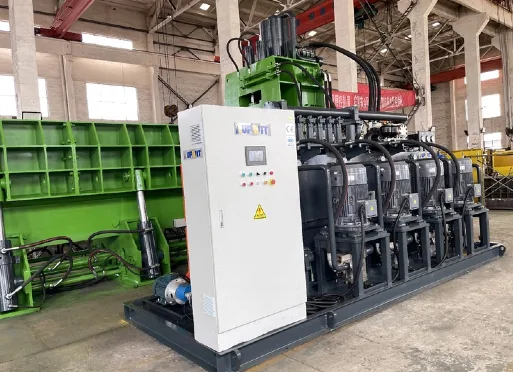
Modern scrap processing facilities increasingly rely on integrated systems that include conveyors, cranes, shredders, and automated sorting equipment. Shear balers can be incorporated into these systems as a central processing unit for size reduction and densification.
Advanced models may include programmable controls, remote diagnostics, and energy-efficient hydraulic systems. These features help optimize performance, reduce downtime, and support predictive maintenance strategies. Integration with digital systems also allows operators to track throughput, bale counts, and machine utilization for better operational planning.
Scrap metal recycling is one of the most effective ways to conserve natural resources and reduce greenhouse gas emissions. By enabling efficient processing and transportation of scrap, shear balers support higher recycling rates and lower overall environmental impact.
More efficient scrap preparation means fewer trips, lower fuel consumption, and better utilization of recycled metal in manufacturing. In this way, shear balers contribute indirectly to reduced mining activity, lower energy use in primary metal production, and improved sustainability performance across the metal supply chain.
Shear balers are a cornerstone technology in modern scrap metal recycling operations. Their ability to shear, compress, and bale metal scrap in a single system makes them highly efficient, versatile, and cost-effective.
From scrap yards and automotive recycling plants to demolition projects and steel mill supply chains, shear balers deliver significant benefits in terms of logistics, safety, processing efficiency, and environmental performance. As the global demand for recycled metals continues to grow, shear balers will remain an essential piece of equipment for building a more efficient and sustainable metal recycling industry.