What Is a Shear Baler and How Does It Work in Scrap Metal Recycling
26 June, 2026


Scrap metal recyclers often compare shear balers, scrap balers, and alligator shears when planning equipment purchases or upgrading a processing line. Although these machines are all used to handle metal scrap, they are not interchangeable. Each one is designed for a different purpose, from compressing loose scrap into dense bales to cutting long sections into shorter pieces or combining both functions in a single machine.
The confusion usually comes from the fact that all three machines help make scrap easier to store, transport, and prepare for further recycling. However, the way they process material, the type of scrap they are best suited for, and the form of the final output can vary significantly. Understanding those differences is essential for choosing equipment that matches your scrap type, production capacity, and downstream handling requirements.
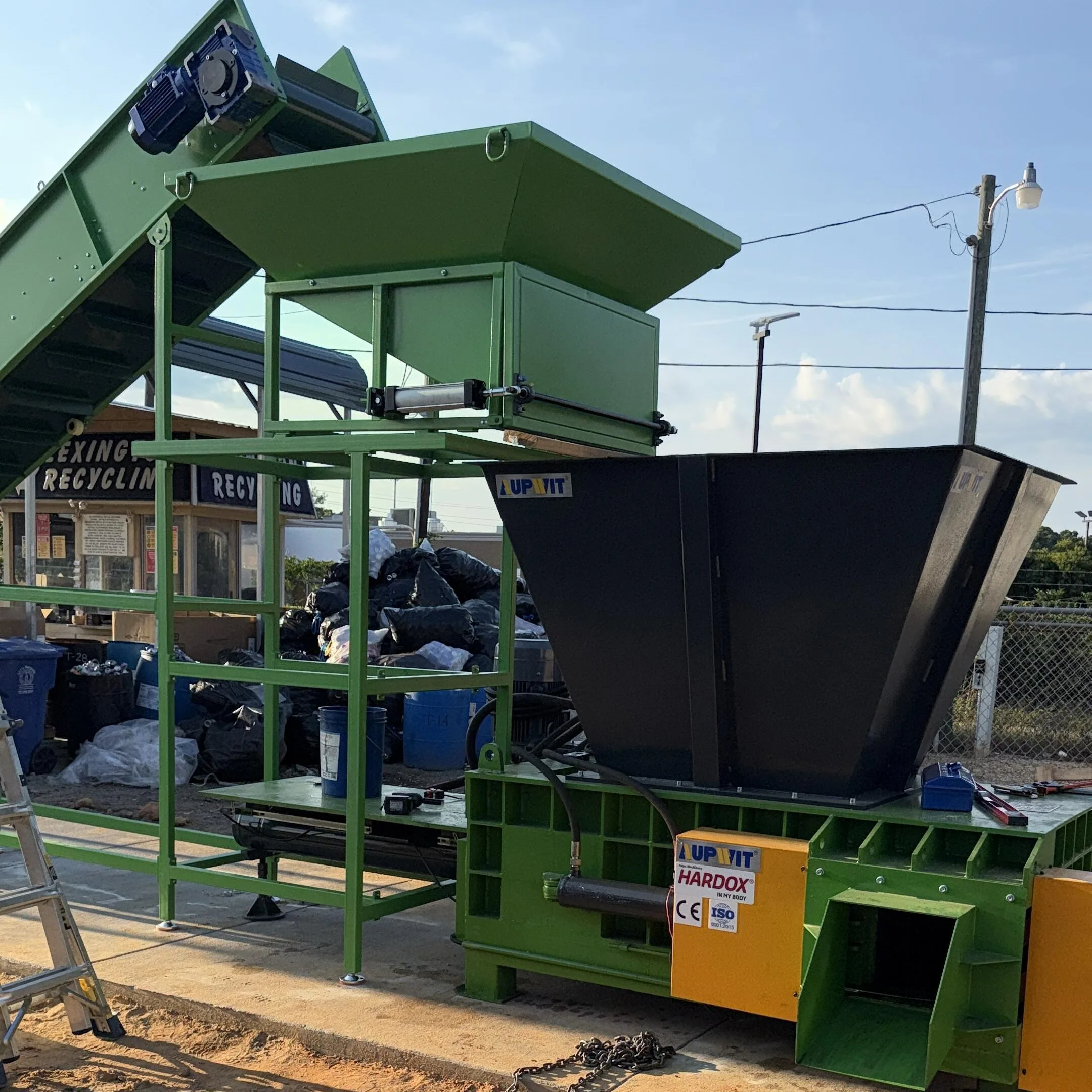
A scrap baler is mainly used to compress loose or lightweight metal scrap into compact bales. This type of machine is common in yards handling aluminum scrap, sheet metal offcuts, steel scrap, copper scrap, cans, and other materials that take up a large amount of space in their loose form. By applying hydraulic pressure inside a compression chamber, the baler reduces the overall volume of the scrap and produces dense blocks that are easier to stack, load, transport, and sell.
An alligator shear serves a different role. Rather than compressing material, it cuts long or oversized scrap into shorter lengths. The machine uses a hinged jaw with upper and lower blades, which is why it is called an alligator shear. It is widely used for cutting rods, pipes, bars, rebar, cable, extrusions, and similar long metal pieces that are difficult to handle in their original size. For small and medium recycling yards, workshops, and non-ferrous metal processors, an alligator shear is often a practical and cost-effective solution for size reduction.
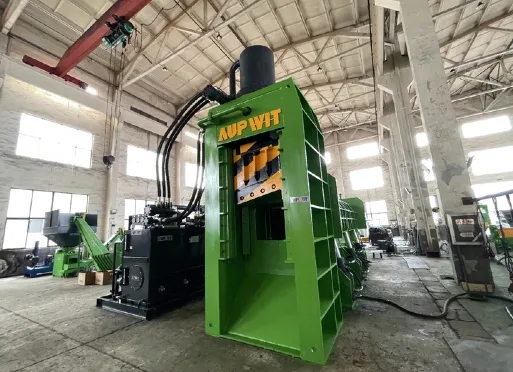
A shear baler combines these two functions in one machine. It first compresses the scrap and then shears it, allowing recyclers to reduce both volume and length in a single process. This makes it especially useful for mixed, bulky, or irregular scrap that would otherwise require several processing steps. Car body scrap, fabrication offcuts, demolition scrap, and light to medium mixed steel scrap are all common applications for a shear baler. Because it can handle a wider range of material forms, it is often chosen by larger recycling operations that want to improve efficiency and reduce manual handling.
The clearest way to compare these machines is to look at their primary job. A scrap baler is designed to compress metal scrap. An alligator shea is designed to cut metal scrap. A shear baler is built to compress and cut in one integrated workflow.
That difference directly affects the kind of scrap each machine handles best. A scrap baler is usually the better choice for light, loose, and compressible materials where the main challenge is low density and high transportation cost. An alligator shear is more suitable when the material is long and awkward to handle, such as bars, tubes, or profiles that need to be cut into shorter sections. A shear baler becomes the stronger option when the scrap stream includes bulky, oversized, or mixed material that benefits from both densification and size reduction before transport or furnace charging.
The output also varies. A scrap baler produces compact bales, which are ideal for storage and logistics. An alligator shear produces cut pieces of scrap, reducing length but not significantly increasing density. A shear baler produces compressed and sheared scrap, giving recyclers an output that is both denser and more manageable in size.
The biggest difference between a shear baler and a scrap baler is whether cutting is required as part of the processing stage. A scrap baler works well when the scrap is already small enough to fit into the chamber and only needs to be compressed for easier transport and storage. For operations handling aluminum cans, thin sheet offcuts, stamping scrap, or light mixed metal, a baler can often do the job efficiently without additional cutting equipment.
A shear baler is better suited to operations dealing with scrap that is not only loose, but also oversized, tangled, or irregular in shape. Since it compresses the material first and then shears it, it can process a wider range of scrap in a single machine. That makes it particularly useful for yards handling vehicle body scrap, demolition metal, and mixed industrial scrap where a standard baler may not be enough. The machine is generally more complex and represents a larger investment, but it can reduce labor, simplify handling, and improve throughput in operations with more demanding scrap streams.
A scrap baler and an alligator shear are designed for different problems, so the better option depends entirely on the material being processed. A scrap baler is mainly a density solution. It turns loose, low-density metal scrap into compact bales that are easier to store and ship. An alligator shear is a size-reduction solution. It cuts long metal pieces into shorter sections that are easier to load, sort, or feed into a furnace.
A workshop generating large volumes of sheet metal offcuts or aluminum scrap would typically benefit more from a baler, because compression is the main requirement. A processor handling long bars, copper rods, cable, or tubing would likely gain more value from an alligator shear, because the material first needs to be cut down to a manageable size. In many recycling operations, the two machines can even complement each other rather than replace one another, with the baler handling loose scrap and the shear handling long sections.
A shear baler and an alligator shear can both reduce scrap size, but they are built for very different levels of processing. An alligator shear is a relatively simple cutting machine that works well for straightforward jobs involving rods, pipes, bars, and light structural metal. It is usually smaller, more affordable, and easier to maintain than a large integrated recycling machine, which makes it attractive for smaller operations or facilities that mainly need cutting capacity.
A shear baler is a more comprehensive processing solution. By combining compression and shearing, it can handle bulky mixed scrap more efficiently and produce output that is easier to transport or charge into downstream equipment. For yards that process varied scrap streams and want to reduce multiple handling steps, a shear baler usually offers greater flexibility and productivity. If the requirement is only to cut long pieces of metal, an alligator shear may be sufficient. If the goal is to process loose, bulky, and oversized scrap more efficiently, a shear baler is usually the stronger choice.
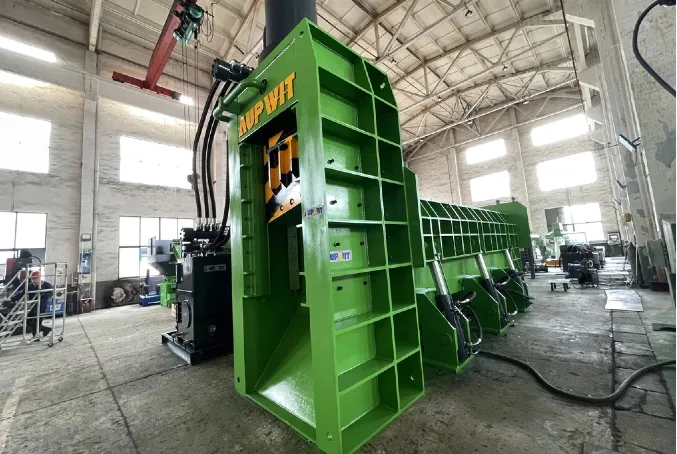
The right machine depends on the type of scrap you process, the volume of material, and the result you need from the output. A scrap baler is typically the best fit for recyclers focused on compacting loose metal into dense bales for storage, transport, or resale. An alligator shear is better suited to operations that mainly need to cut long scrap into shorter lengths. A shear baler is the better option when both compression and cutting are required and the scrap stream includes bulky or irregular material.
Budget, available space, labor requirements, and future production plans should also be considered before making a purchase. A smaller yard with a limited range of scrap may only need a baler or an alligator shear. A larger recycling facility handling mixed ferrous and non-ferrous scrap may benefit more from the versatility of a shear baler, especially if reducing manual handling and increasing processing efficiency are key priorities.
Choosing between a shear baler, a scrap baler, and an alligator shear is less about which machine is universally better and more about which one matches the actual needs of the operation. A scrap baler is designed to compress loose scrap and improve density. An alligator shear is designed to cut long metal into shorter sections. A shear baler combines both functions, making it a more versatile option for mixed and bulky scrap streams.
For scrap recyclers and metal processors, the most effective equipment choice comes from understanding the shape, size, and handling challenges of the scrap itself. Once those factors are clear, it becomes much easier to select a machine that improves productivity, lowers transportation costs, and supports a more efficient recycling process.