What Is a Shear Baler and How Does It Work in Scrap Metal Recycling
26 June, 2026


In metal processing and machining industries, large volumes of metal waste are generated every day. Steel turnings, aluminum chips, copper shavings, and mixed metal scraps often accumulate quickly, taking up valuable floor space and creating challenges in storage, transportation, and recycling.
A briquetting press is designed to solve these problems by compressing loose metal waste into dense, solid briquettes. Compared with loose chips or swarf, briquetted metal is easier to handle, safer to store, and significantly more valuable for recycling and remelting. For metalworking companies, briquetting is not only a waste-management solution, but also an important step toward improving efficiency and reducing operating costs.
A metal briquetting press is a type of industrial compaction equipment that applies extremely high pressure to metal chips, turnings, and shavings, forming them into compact briquettes with consistent size and density. These briquettes can be directly reused in smelting processes or sold to recyclers at a higher value than loose scrap.
Unlike simple baling or loose scrap collection, briquetting removes air gaps and excess cutting fluids from metal waste. This results in a denser product that burns cleaner during melting and produces less oxidation loss.
In a typical metalworking application, metal chips are conveyed from CNC machines or machining centers to the briquetting press through screw conveyors or belt systems. Before compaction, excess coolant or oil may be drained or filtered to improve briquette quality.
Inside the briquetting press, hydraulic cylinders generate high pressure that forces metal particles to interlock and bind together. During this process, cutting fluids are squeezed out and collected for reuse, while the metal itself is formed into solid briquettes. The finished briquettes are automatically discharged and ready for storage, transport, or remelting.
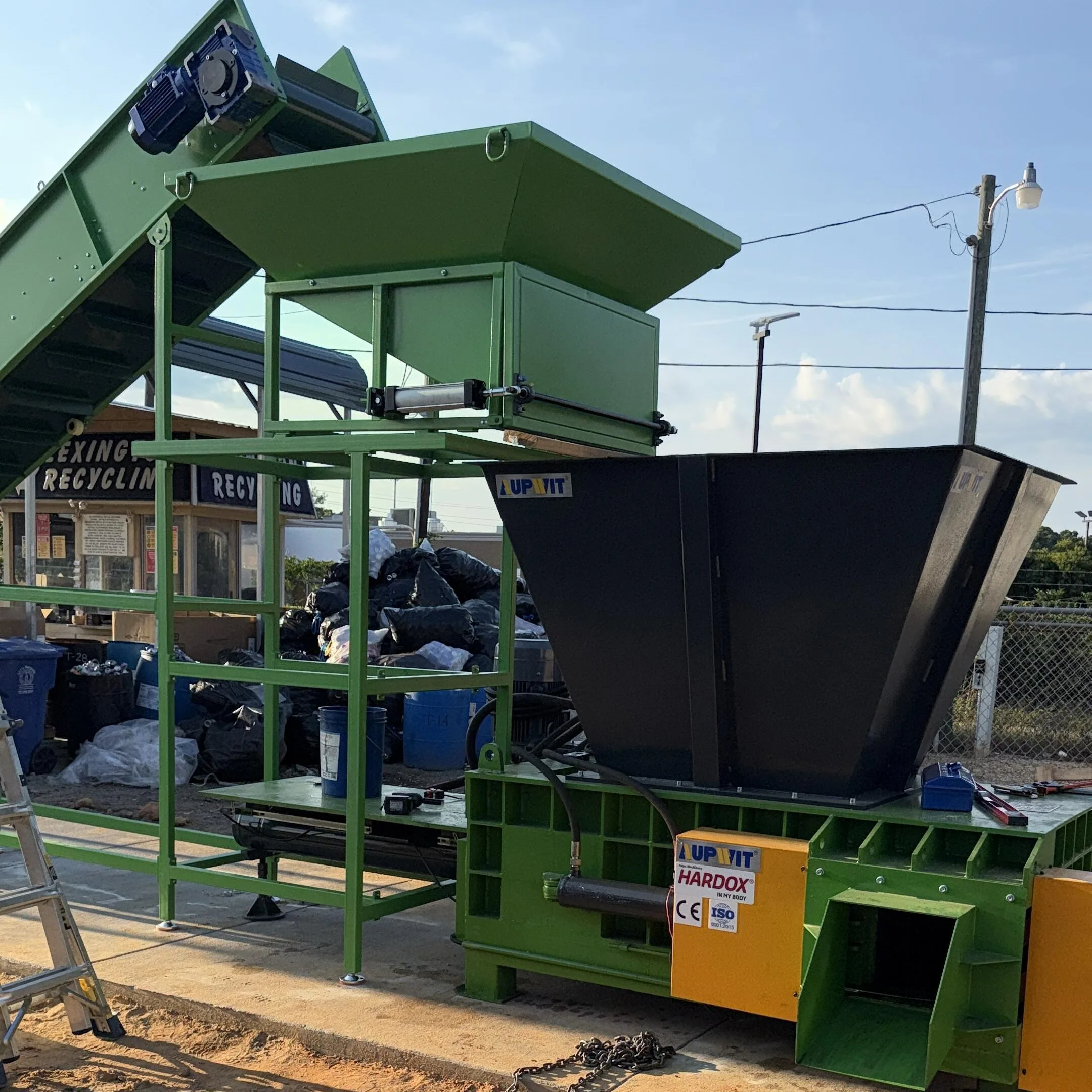
Although both briquetting presses and metal baling presses are used for scrap metal processing, they serve different purposes. A metal baling press is mainly used to compress large or bulky scrap, such as steel sheets, profiles, and structural scrap, into compact bales for easier transportation.
A briquetting press, on the other hand, is specifically designed for small, loose metal waste such as chips and turnings. In many recycling systems, briquetting presses and metal baling presses work together, forming a complete metal waste management solution that handles both light and heavy scrap efficiently.
Metal briquetting presses are widely used to process a variety of ferrous and non-ferrous materials, including:
Steel and cast iron chips
Aluminum turnings and shavings
Copper and brass scrap
Stainless steel machining waste
Mixed metal chips from CNC operations
Different metals have different compression characteristics, which is why professional equipment design and pressure control are critical for consistent briquette quality.
One of the most significant advantages of metal briquetting is improved recycling efficiency. Briquettes have a higher bulk density, which reduces transportation costs and improves furnace charging efficiency during remelting.
Another important benefit is coolant recovery. By squeezing cutting fluids out of metal chips, briquetting presses allow manufacturers to reuse valuable oils and emulsions, reducing both waste disposal costs and raw material consumption.
In addition, briquetting improves workplace safety and cleanliness. Loose metal chips can be sharp, slippery, and hazardous, while compact briquettes are safer to handle and store.
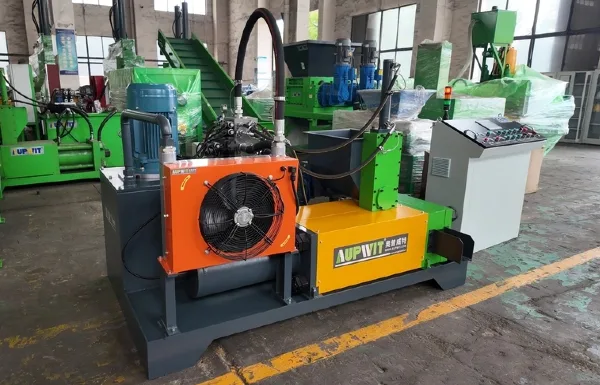
Metal briquetting presses are commonly used in automotive manufacturing, aerospace machining, foundries, aluminum processing plants, and steel fabrication workshops. They are particularly valuable in facilities with high-volume CNC machining, where large quantities of metal chips are produced continuously.
As environmental regulations and recycling standards become stricter, more metal processors are integrating briquetting and baling equipment into their production lines.
When selecting a briquetting press for metal applications, factors such as material type, chip size, oil content, required briquette density, and production capacity must be carefully considered. Automation level, system integration, and long-term maintenance requirements are also important for stable operation.
Working with an experienced manufacturer of metal baling and briquetting equipment ensures that the machine is properly matched to real production conditions, rather than being a one-size-fits-all solution.
A briquetting press plays a crucial role in modern metal recycling and manufacturing. By transforming loose metal waste into dense, reusable briquettes, it improves material value, reduces costs, and supports cleaner, safer production environments.
For companies involved in metal processing, especially those already using metal baling presses, adding a briquetting press can significantly enhance overall scrap handling efficiency and recycling profitability.