Aluminium China 2026
3 July, 2026


Hydraulic metal shears are essential equipment in scrap metal recycling, steel processing, demolition, and heavy industrial material handling. Whether you are operating a scrap yard, managing a recycling plant, or running a demolition or fabrication business, selecting the right hydraulic metal shears can significantly affect productivity, operating costs, safety, and long-term return on investment.
Because hydraulic metal shears represent a substantial capital investment, the buying decision should be based on more than just price. Cutting capacity, hydraulic system design, structural strength, blade quality, automation level, and service support all play critical roles in determining how well the equipment will perform in real-world conditions. This guide outlines the key technical, operational, and commercial factors you should carefully evaluate before purchasing hydraulic metal shears.
One of the first factors to consider is the type of materials you plan to cut on a regular basis. Hydraulic metal shears are used for a wide range of materials, including mild steel, structural steel, aluminum, copper, stainless steel, and mixed scrap metal. Each material has different hardness, thickness, and cutting resistance characteristics.
For example, processing light scrap such as thin sheet metal requires different shear specifications than cutting thick steel beams, pipes, or rebar. Clearly defining your primary application helps ensure the shear’s cutting force, blade design, and frame strength are properly matched to your workload. Selecting a shear that is under-specified for your material can lead to reduced productivity, excessive wear, and frequent downtime.
Cutting force is one of the most important technical specifications when evaluating hydraulic metal shears. It directly determines the thickness and strength of materials the shear can handle efficiently. Buyers should carefully review the rated cutting force and maximum cutting capacity for different material types.
It is important to consider not only your current requirements but also potential future expansion. If your operation plans to process heavier scrap or larger structural components, selecting a shear with additional capacity can prevent the need for premature equipment replacement. A properly sized machine will operate within its optimal range, improving reliability and extending service life.
The hydraulic system is the core of any hydraulic metal shear. System pressure, pump capacity, valve quality, and overall hydraulic circuit design directly affect cutting speed, cycle time, and energy efficiency.
A well-designed hydraulic system provides consistent pressure, smooth operation, and stable cutting performance. Poor hydraulic design can result in slow cycle times, pressure fluctuations, excessive heat generation, and increased maintenance requirements. Buyers should look for equipment with high-quality hydraulic components, proper filtration systems, and efficient cooling to ensure long-term performance in demanding industrial environments.
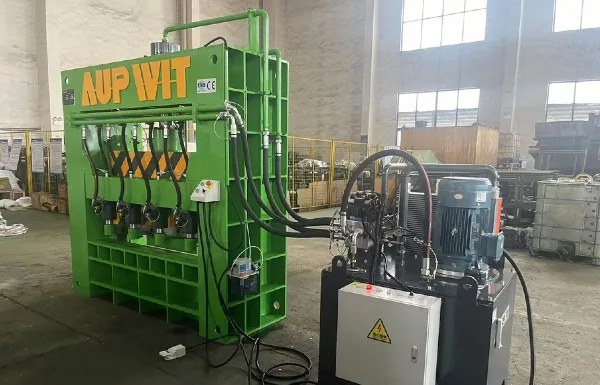
Blade quality has a major impact on cutting performance and operating cost. High-grade alloy steel blades with proper heat treatment offer better wear resistance, sharper cutting edges, and longer service life. The blade geometry also influences cutting efficiency, especially when processing thick or irregular materials.
In addition to blade performance, buyers should consider how easy it is to replace or rotate blades. Machines designed with standardized blade sizes and accessible mounting systems reduce downtime and labor costs. The availability and cost of replacement blades should also be evaluated, as blade wear is a normal operating expense in high-volume metal processing.
Hydraulic metal shears operate under extremely high loads and shock forces. The overall structural design of the frame, cutting head, and support components must be strong enough to handle repeated heavy-duty use without deformation or fatigue.
A rigid, well-reinforced structure helps maintain cutting accuracy, reduces vibration, and improves long-term reliability. Buyers should pay attention to material thickness, welding quality, stress-relief treatments, and overall engineering design. A durable machine may have a higher upfront cost, but it typically delivers lower lifetime maintenance expenses and fewer unexpected failures.
Modern hydraulic metal shears are available in a range of automation levels, from basic manual operation to semi-automatic and fully automatic systems. The right choice depends on your production volume, labor availability, and operational workflow.
Advanced control systems can improve cutting consistency, reduce operator fatigue, and increase overall throughput. Features such as programmable cutting cycles, automatic pressure adjustment, and safety interlocks can enhance both productivity and workplace safety. For high-volume operations, investing in higher automation often results in faster payback through reduced labor costs and improved efficiency.
Safety is a critical consideration when purchasing hydraulic metal shears. These machines generate high cutting forces and handle heavy, sharp materials, making proper safety design essential.
Key safety features may include protective guards, emergency stop systems, overload protection, two-hand control options, and safety interlocks. A well-designed safety system not only protects operators but also helps ensure compliance with local workplace safety regulations. Investing in equipment with robust safety features reduces the risk of accidents, downtime, and liability issues.
Operating cost is a major factor in the total cost of ownership. Energy consumption, hydraulic oil usage, maintenance requirements, and spare parts availability all affect long-term expenses.
Energy-efficient hydraulic systems can significantly reduce electricity or fuel costs over time, especially in continuous operation environments. Buyers should evaluate power requirements, system efficiency, and maintenance intervals to better understand the true lifetime cost of the machine. In many cases, a higher-efficiency shear offers lower total operating costs even if the initial purchase price is higher.
Before purchasing, it is important to consider installation conditions and available space. Stationary hydraulic metal shears may require reinforced foundations, proper electrical connections, and adequate material handling systems. Mobile or excavator-mounted shears have different space and infrastructure requirements.
Buyers should also consider how the shear will integrate with existing equipment, such as conveyors, balers, shredders, or sorting systems. Proper integration improves workflow efficiency and minimizes material handling bottlenecks. A well-planned installation reduces startup time and ensures smoother daily operations.
Reliable after-sales service is often overlooked but plays a crucial role in long-term equipment performance. Access to spare parts, technical support, maintenance training, and on-site service can significantly reduce downtime and repair costs.
When evaluating suppliers, buyers should assess their service network, response time, and availability of replacement parts. Working with a manufacturer or distributor that offers strong technical support provides greater confidence and helps protect your investment over the entire equipment lifecycle.
The experience and reputation of the supplier are important indicators of product quality and long-term reliability. Established manufacturers with proven track records in hydraulic metal shears and scrap processing equipment are more likely to offer well-engineered machines and dependable support.
Reviewing customer references, project case studies, and industry certifications can provide valuable insight into a supplier’s capabilities. A reputable supplier is also more likely to offer customization options to match specific operational needs, helping you achieve better performance and higher return on investment.
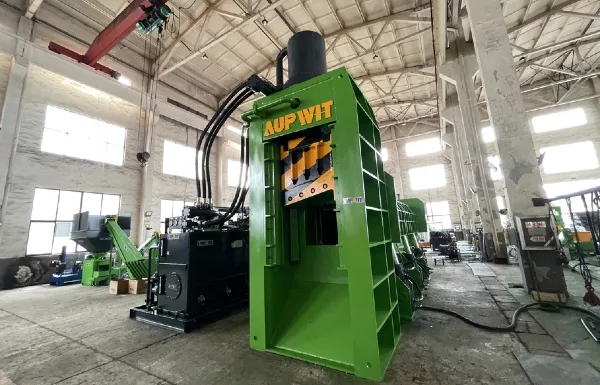
Rather than focusing only on the purchase price, buyers should evaluate the total cost of ownership. This includes initial cost, energy consumption, maintenance, spare parts, downtime, and expected service life.
A higher-quality hydraulic metal shear may require a larger upfront investment but often delivers better productivity, lower maintenance costs, and longer operational life. Calculating return on investment based on throughput, labor savings, and reduced processing costs provides a more accurate picture of the true value of the equipment.
Buying hydraulic metal shears is a strategic decision that directly affects the efficiency, safety, and profitability of your metal processing or recycling operation. By carefully evaluating material requirements, cutting capacity, hydraulic system design, blade quality, structural durability, automation features, and supplier support, you can select equipment that meets both your current and future needs.
A well-chosen hydraulic metal shear not only improves cutting performance but also reduces operating costs, enhances safety, and delivers strong long-term return on investment. Taking a comprehensive, technical approach to the buying process ensures you make a sound investment that supports sustainable growth and operational success.