What Is a Shear Baler and How Does It Work in Scrap Metal Recycling
26 June, 2026


Choosing the right metal shearing machine is not simply about selecting a piece of equipment—it is about building an efficient, scalable scrap processing solution. For businesses involved in metal recycling, steel processing, or industrial waste management, the right shear directly determines throughput, operating cost, and material recovery efficiency.
Companies like AUPWIT offer a full range of scrap metal shearing solutions, from compact mini shears to heavy-duty gantry shears, designed specifically for different processing scenarios. Understanding how these machines differ is the key to making the right investment.
Metal shears are designed to reduce large scrap materials into smaller, manageable sizes. This process improves transportation efficiency, furnace feeding, and overall recycling value.
According to your product category, scrap metal shears are widely used in:
Scrap yards
Steel plants
Foundries
Metal recycling facilities
Instead of melting or shredding directly, shearing provides a controlled, energy-efficient pre-processing step, especially for bulky or long materials like beams, pipes, and profiles.
One of the biggest mistakes buyers make is choosing equipment that does not match their actual production scale. Your product lineup clearly covers different levels of operation, and this should be reflected in the selection process.
If your business is a small recycling station or workshop, a mini shear is often the most practical starting point.
From your product page, the mini shear is designed for:
Lightweight scrap
Thin metal materials
Small batch processing
Limited workspace environments
Its compact structure and easy operation make it ideal for businesses that prioritize flexibility over high output.
Small scrap yards
Local recycling centers
Entry-level metal processing businesses
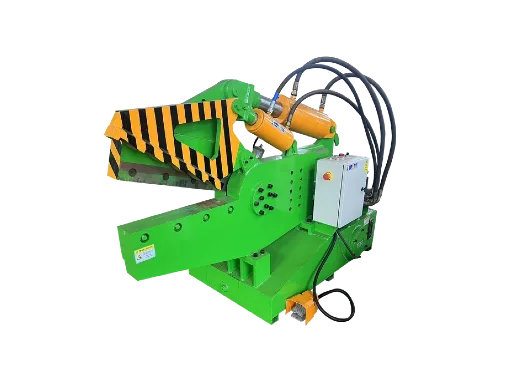
Alligator shears are one of the most common machines in scrap processing. They are especially useful for cutting:
Metal bars
Pipes
Profiles
Structural scrap
Compared to mini shears, they provide stronger cutting force and better handling of irregular materials.
Scrap collection centers
Metal dismantling operations
Medium-scale recycling businesses
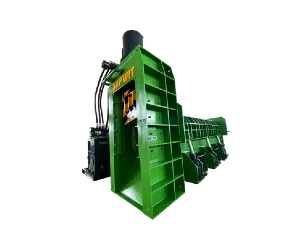
For large-scale operations, gantry shears are essential. These machines are designed for continuous, heavy-duty processing of large scrap volumes.
Your product line includes automatic gantry shears, which typically offer:
High throughput capacity
Automated feeding systems
Continuous operation capability
Stable hydraulic performance
Large scrap yards
Steel mills
Industrial recycling plants
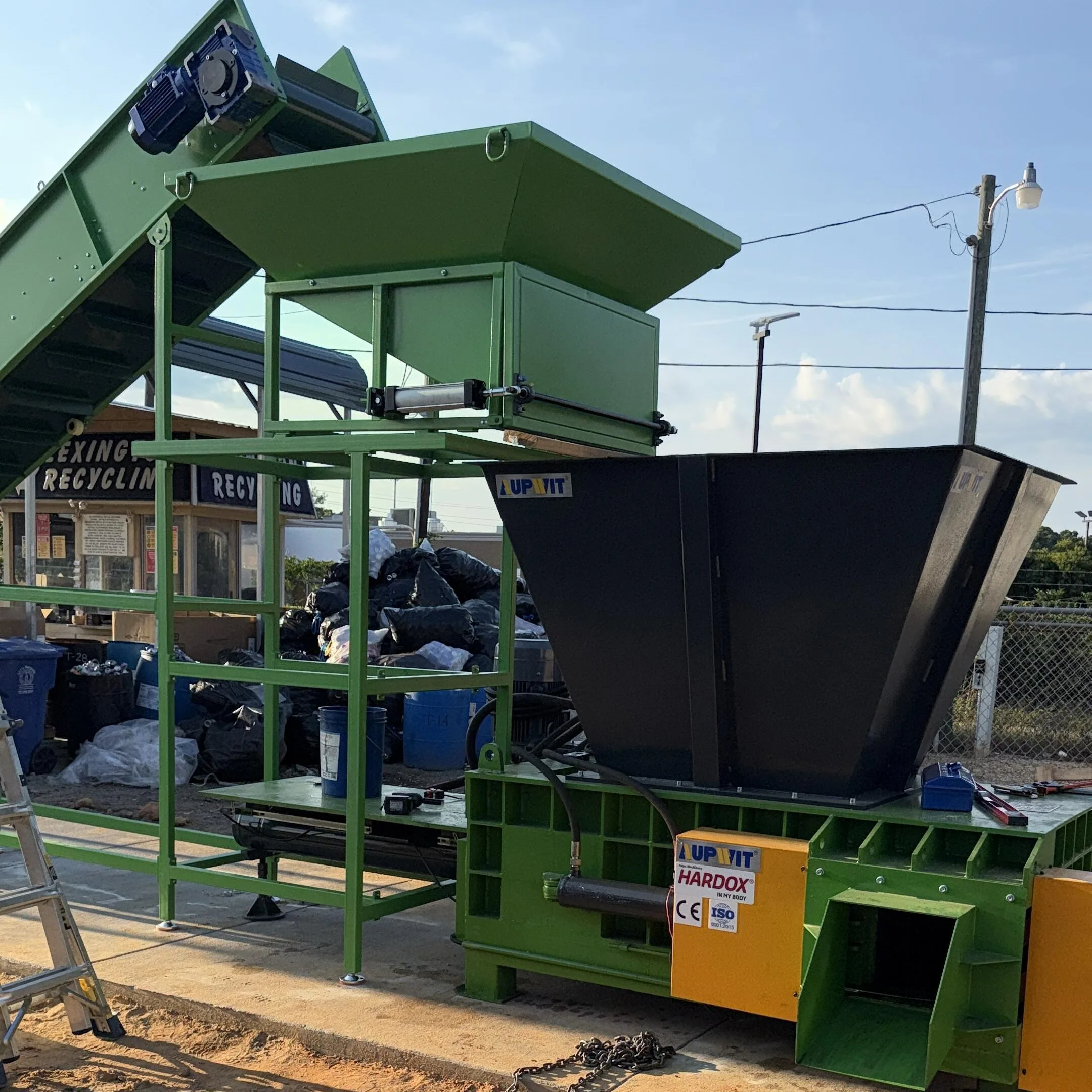
A major advantage of your product portfolio is the inclusion of shear balers. These machines combine compression and cutting into one system.
Based on your product description, shear balers can:
Compress loose scrap
Shear materials in one cycle
Handle mixed materials including steel, aluminum, and copper
This significantly reduces handling steps and improves efficiency.
High-efficiency recycling lines
Facilities handling mixed scrap
Businesses aiming to reduce labor costs
Not all metal shears are designed for the same materials. Choosing the wrong machine can lead to inefficiency or even equipment damage.
Ferrous vs non-ferrous metals
Light vs heavy scrap
Thickness and density
Thin aluminum → mini shear
Mixed scrap → shear baler
Heavy steel structures → gantry shear
Matching the machine to the material ensures better performance and longer machine life.
Your production volume should directly influence your equipment choice.
How many tons per day do you process?
Is your business growing rapidly?
Do you need continuous operation?
A small machine may save money initially but become a bottleneck as your business expands. On the other hand, over-investing in a large system without sufficient material supply can increase operating costs unnecessarily.
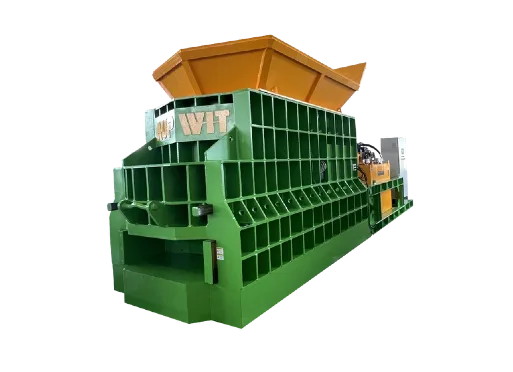
Modern scrap processing is moving toward automation. Many of your machines—especially gantry shears and shear balers—are designed to integrate into larger systems.
Reduced labor dependency
Stable and consistent output
Improved safety
Better integration with conveyors, balers, and shredders
AUPWIT also provides supporting equipment such as conveyors and feeding systems, allowing customers to build complete recycling lines rather than standalone machines .
Most industrial metal shears rely on hydraulic systems. The quality of this system determines:
Cutting force
Stability
Maintenance frequency
Energy efficiency
Heavy-duty applications (like gantry shears and shear balers) require robust hydraulic systems capable of continuous operation without performance loss.
Machine footprint is often overlooked but critical.
Mini shear → compact, easy installation
Alligator shear → moderate space
Gantry shear → large installation area
Shear baler → integrated system, requires planning
Choosing the right machine also means ensuring it fits your facility layout and workflow.
Instead of focusing only on purchase price, consider:
Output per hour
Labor savings
Energy consumption
Maintenance costs
For example, a shear baler may have a higher upfront cost but significantly reduces handling steps and labor, delivering better long-term ROI.
Selecting the right metal shearing machine is about aligning your equipment with your business model. Whether you operate a small recycling station or a large industrial scrap yard, the choice should be based on material type, production scale, and long-term growth plans.
With a complete product range including mini shears, alligator shears, gantry shears, and shear balers, manufacturers like AUPWIT provide flexible solutions tailored to different operational needs. By carefully evaluating your requirements and matching them with the right machine type, you can build a more efficient, profitable, and scalable metal processing operation.
Shear balers are often considered the most versatile because they combine compression and cutting, making them suitable for mixed scrap materials.
Mini shears are ideal due to their compact size, lower cost, and ease of operation.
When you have large volumes of heavy scrap and require continuous, high-efficiency processing.
Yes, machines in your product range can process materials such as aluminum, copper, and stainless steel.
Not always, but for medium to large-scale operations, automation significantly improves efficiency and reduces labor costs.