What Is a Shear Baler and How Does It Work in Scrap Metal Recycling
26 June, 2026


In modern industrial production, managing and recycling waste materials has become a critical part of ensuring efficiency, sustainability, and profitability. Among various recycling technologies, briquetting machines play a significant role by compacting loose chips, shavings, and other waste into dense briquettes. However, before these materials can be effectively processed in a briquetting press, they often require pre-treatment. This is where shredders become indispensable.
A shredder is not just an auxiliary device but a key component in a briquetting machine production line. By reducing large, bulky, or irregular waste into uniform particles, shredders optimize the briquetting process, improve compaction results, and enhance overall system performance.
In a typical briquetting system, waste materials can vary significantly in size and shape. Metal chips from machining, plastic containers, or discarded circuit boards are often too large or irregular for direct feeding into a briquetting press. Feeding such materials without preparation would lead to blockages, inconsistent briquettes, and excessive wear on the press.
Shredders solve this problem by breaking down large materials into smaller, uniform pieces. This preprocessing ensures that the briquetting press receives feedstock of consistent size and density, leading to:
Higher briquette density and strength
Reduced energy consumption during pressing
Extended service life of the briquetting machine
Smoother and more continuous production
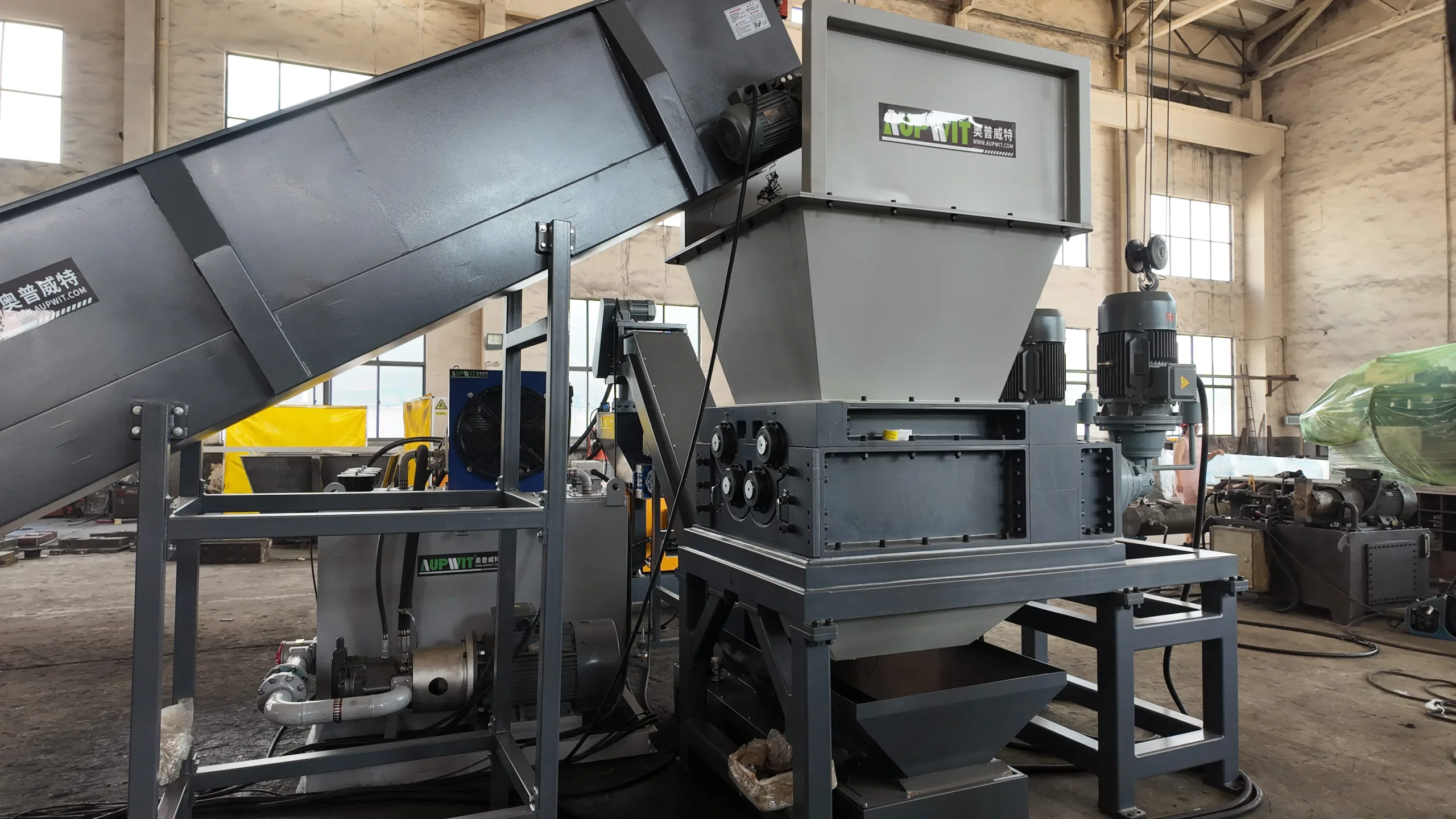
Modern industrial shredders are highly versatile and can handle a wide variety of raw materials before they enter the briquetting machine. Depending on the application, shredders can process:
Metals: automobile hulls, metal cans, drums, steel shavings, and solid industrial scrap.
Plastics: barrels, boxes, bottles, woven bags, and packaging films.
Electronics: circuit boards, e-waste, and discarded appliances such as refrigerators.
Wood and Paper: pallets, wood blocks, cartons, and waste paper products.
Other Waste Streams: medical waste and municipal solid waste.
By accommodating such diverse inputs, shredders significantly expand the range of materials that can be profitably processed in a briquetting line.
To further streamline operations, shredders can be integrated with optional conveyor loading systems and magnetic separators.
Conveyor Loading: Automates material feeding, ensuring a steady flow into the shredder and reducing manual handling. This improves efficiency and enhances worker safety.
Magnetic Separation: Particularly important in metal recycling applications, magnetic separators remove ferrous contaminants before briquetting. This prevents damage to the briquetting press and improves the purity and resale value of the final briquettes.
These optional features turn shredders into fully integrated, intelligent components of the production line.
Not all recycling facilities operate on the same scale, and shredder requirements vary depending on production capacity. Manufacturers offer different shredder models tailored to:
Small-scale operations: Compact, cost-effective shredders suitable for workshops or small recycling plants with lower waste volumes.
Medium-scale operations: Versatile models capable of processing a mix of materials at moderate throughput rates.
Large-scale operations: Heavy-duty shredders designed to handle massive volumes of industrial waste, such as automobile hulls and bulky solid waste, for continuous high-capacity production lines.
This flexibility ensures that every recycling business—from a small machining workshop to a large industrial recycler—can find the right shredder solution for its briquetting line.
When shredders are integrated into a briquetting production line, companies enjoy a wide range of benefits:
Improved Material Flow: Shredded feedstock is uniform, preventing blockages and interruptions in the briquetting press.
Higher Briquette Quality: Consistency in particle size results in denser, more durable briquettes that fetch higher prices in recycling markets.
Cost Savings: Reduced machine wear and energy consumption translate into lower maintenance and operational costs.
Enhanced Safety: By reducing bulky waste into manageable pieces, shredders minimize manual handling risks.
Environmental Compliance: Proper shredding ensures more efficient recycling, helping companies meet environmental regulations and sustainability targets.
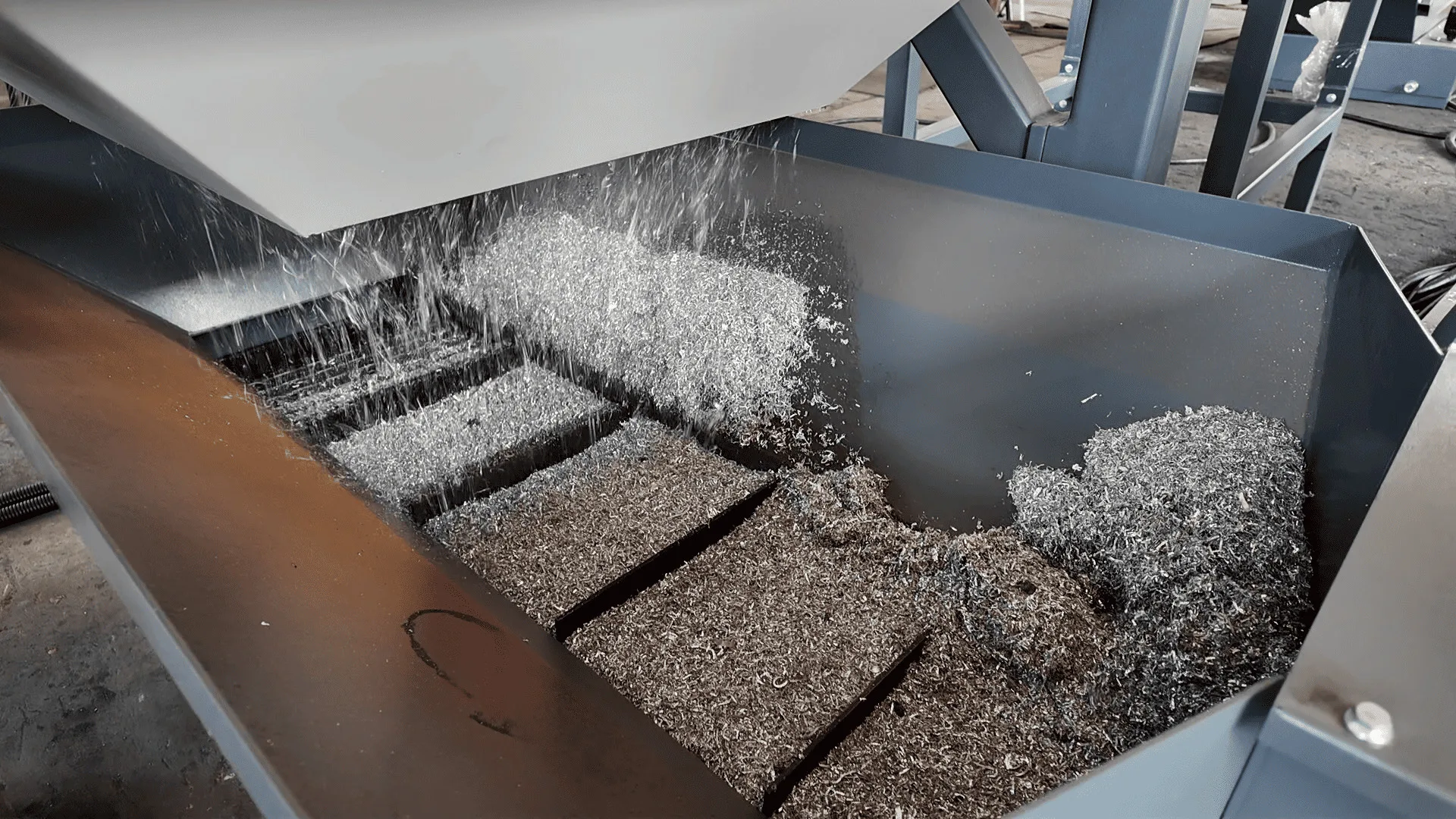
In metalworking industries, scrap such as steel chips, shavings, and discarded components often contain cutting fluids. Directly feeding large, tangled scrap into a briquetting press can damage the equipment. By installing a shredder before the press, the scrap is reduced to manageable sizes, making compaction more efficient. Additionally, cutting fluids are more easily recovered during pressing, lowering waste and saving costs.
This demonstrates how shredders not only improve operational performance but also directly contribute to cost recovery and resource efficiency.
The shredder is an essential link in the briquetting machine production line, ensuring that waste materials are properly prepared for compaction. Its role extends far beyond simple size reduction—it improves efficiency, enhances briquette quality, reduces operating costs, and enables the processing of a wide range of materials.
With optional features like conveyor loading and magnetic separation, and models suitable for different scales of operation, shredders provide the flexibility and reliability needed in today’s recycling industry. For manufacturers and recyclers looking to maximize profitability, sustainability, and safety, integrating a shredder into their briquetting line is not just an option but a necessity.